Política
Respuesta a las dudas frecuentes sobre las PASO
LAS CLAVES DE UNA ELECCIÓN DECISIVA Qué se vota en la provincia y en la ciudad de Buenos Aires Aunque la mayoría de las candidaturas ya están definidas, votar en las internas es obligatorio; las opciones de corte de boleta y el impacto en la oferta electoral de octubre; el piso del 1,5% como filtro […]
 LAS CLAVES DE UNA ELECCIÓN DECISIVA
Qué se vota en la provincia y en la ciudad de Buenos Aires
Aunque la mayoría de las candidaturas ya están definidas, votar en las internas es obligatorio; las opciones de corte de boleta y el impacto en la oferta electoral de octubre; el piso del 1,5% como filtro y el debut del voto joven.
Pese a que dentro de una semana tendrán su segunda edición desde que se crearon a fines de 2009, las elecciones primarias, abiertas, simultáneas y obligatorias (PASO) todavía generan dudas entre los votantes.
Ideadas, entre otras cosas, para involucrar a la ciudadanía en la definición de los candidatos de las elecciones generales, este año las internas no tendrán incidencia en la oferta electoral de todas las fuerzas políticas que buscan competir el 27 de octubre, ya que la mayoría de los frentes presenta listas únicas. Sin embargo, son obligatorias para todos: los partidos y frentes que compiten con una sola boleta y los que presentan varias.
Este último es el caso de UNEN , que pondrá en juego cuatro listas de precandidatos a diputado en las PASO para luego armar la boleta única que competirá en octubre. Según acordó el propio frente, ingresarán en la nómina final los candidatos de las listas que superen el 22% de los votos y quedarán ordenados según el sistema D'Hont. Los senadores, en cambio, conforman una fórmula, por lo que competirá en octubre la dupla que el domingo próximo obtenga más votos.
THE KEYS TO A RUNOFF ELECTION
What is voted in the province and in the city of Buenos Aires
Although most applications are already defined in the internal vote is compulsory cutting the ballot choices and the impact on the October election bid, the floor of 1.5% as a filter and the debut of the youth vote.
Although within a week will have its second edition since it was created in late 2009, the primaries, open, simultaneous and mandatory (STEP) still raise doubts among voters.
Designed, among other things, to involve citizens in the definition of general election candidates, this year the inmates will have no impact on the election manifesto of all political forces seeking to compete on October 27, as most of fronts presents unique lists. However, they are binding on all parties and fronts that compete with one ballot and those with several.
The latter is the case of UNITE, who will play four lists of candidates for deputy in STEP then assemble the single ballot that will compete in October. As agreed by the front itself, will join the final roster lists candidates that exceed 22% of the vote and will be ordered according to the D'Hondt system. The senators, however, make a formula, so the duo will compete in October that next Sunday with the most votes.
Distinto es el caso, por ejemplo, del Frente para la Victoria, tanto en la provincia como en la ciudad de Buenos Aires, y del Frente Renovador en territorio bonaerense. Ambos espacios llegan a las PASO con listas únicas. En esos casos las internas no funcionarán como un filtro, sino como una gran encuesta nacional.
Podrán competir en octubre las listas que superen el 1,5 por ciento de los votos válidos en el distrito y para la categoría de cargo en la que pretendan competir. Los frentes que presenten varias listas deberán sumar los votos que obtenga cada una para determinar si siguen o no en carrera.
En estas elecciones se renovará la mitad de la Cámara de Diputados y un tercio del Senado. Se elegirán representantes para la Cámara alta en ocho distritos: Chaco, Entre Ríos, Neuquén, Río Negro, Salta, Santiago del Estero, Tierra del Fuego y la ciudad de Buenos Aires. Algunos también elegirán legisladores provinciales. Para que un voto sea válido hay que poner en el sobre sólo un candidato por categoría, es decir, una sola lista de candidatos a diputados, y una sola de candidatos a senadores, en el caso que corresponda. La no inclusión de boleta para alguna de las categorías se contará como voto en blanco (sólo para esa categoría).
Como en cualquier otra elección, se puede cortar boleta: votar a un diputado de un partido y a un senador de otro. Lo que no se puede hacer es votar a más de un candidato para una misma categoría. En ese caso, el voto será impugnado. Las combinaciones de boletas pueden hacerse entre distintos frentes o hacia el interior de un frente que presenta varias listas, siempre optando por una sola opción por categoría.
Aunque la mayoría de las candidaturas ya están definidas, el voto es obligatorio para los ciudadanos de entre 18 y 70 años. Estas elecciones tendrán varias novedades. Debutarán el voto optativo para jóvenes de 16 y 17 (están habilitados 592.344 adolescentes) y ya no se sellará el DNI. En cambio se entregará un troquel con el lugar y fecha de elección y con la firma del presidente de mesa y del votante. Además, por primera vez, las mesas de votación serán mixtas.
El domingo que viene y el 27 de octubre están habilitadas para votar 30.530.323 personas. No habrá cambios en el padrón entre una y otra elección: quienes no vayan a votar a las primarias pueden y deben presentarse en las generales.
Respecto de las sanciones para los que no lo hagan, la ley prevé una multa, pero es inaplicable (cambió la moneda y se volvió irrisoria). También inhibe a quien no votó de ejercer cargos públicos, algo que tampoco se aplica en la práctica.
CAMPAÑA DE CONCIENTIZACIÓN
La Organización No Gubernamental Poder Ciudadano está realizando una campaña de explicación y concientización sobre el significado de las Primarias Abiertas Simultáneas y Obligatorias, conocidas como PASO. En este marco se difundirán avisos en los que se aclara, entre otras cosas, qué se vota en las PASO, qué se elige, cómo se vota y quiénes están habilitados. La intención es expandir el mensaje para reducir el nivel de desconocimiento respecto de las implicancias de los comicios del próximo domingo.
LAS CLAVES DE LAS ELECCIONES INTERNAS
Respuestas a los principales interrogantes
¿Qué se vota?
Se eligen diputados nacionales y legisladores provinciales en todo el país y senadores nacionales en ocho distritos. Los cargos por renovar no varían entre la interna y la general
¿Cómo afectan las PASO la oferta electoral de octubre?
Los frentes con más de una lista armarán una boleta única para octubre en función de los resultados de la primaria. El resto presenta listas únicas
¿Compiten los mismos en las dos elecciones?
Sólo pueden presentarse en octubre las listas que logren más del 1,5% de los votos emitidos. Las listas internas de un mismo frente deben sumarse
¿Se pueden hacer acuerdos después de las primarias?
No. Las reglas para rearmar listas en los frentes que presentan más de una boleta están fijadas de antemano y no pueden cambiarse
¿Se puede cortar boleta?
Sí. Se pueden hacer combinaciones entre las listas de un mismo frente o entre boletas de distintos frentes, pero siempre se debe optar por una sola opción por categoría de voto
¿Quiénes deben votar?
Todos los ciudadanos argentinos de entre 18 y 70 años. Por primera vez tienen la opción de votar jóvenes de 16 y 17 años. Hay 592.344 adolescentes habilitados
¿Qué pasa si soy autoridad de mesa y no me presento?
La justicia electoral puede fijar condenas. En elecciones anteriores se abrieron cientos de causas contra quienes no justificaron su ausencia
¿Qué pasa si no voto en las primarias?
La multa no se aplica, pero en elecciones pasadas hubo quienes faltaron sin justificativo y tuvieron problemas para hacer trámites
DATOS VITALES
Padrón
Están en condiciones de votar 30.530.323 personas . El 1,9% son jóvenes de 16 y 17 años que, por primera vez, podrán optar por hacerlo
Documento
Son válidos el DNI que figura en el padrón o una versión posterior: DNI libreta verde o celeste, libreta cívica, libreta de enrolamiento o nuevo DNI
Horarios
Las mesas de votación estarán abiertas entre las 8 y las 18. Se calcula que los primeros resultados se conocerán a partir de las 23
Padrones
Pueden consultarse en www.padron.gov.ar . También en el celular, con la aplicación "Padrones 2013" o llamando al 0800-999 PADRON (7237)
La NaciónDifferent is the case, for example, the Front for Victory, both in the province and the city of Buenos Aires, and the Front Renovator in Buenos Aires area. Both reach the STEP spaces with unique lists. In these cases, the internal will not work as a filter, but as a national survey.
May compete in October lists that exceed 1.5 percent of the valid votes in the district and by category in which they wish to compete. The fronts should submit several lists add the votes obtained by each one to determine whether or not to follow the race.
In these elections will renew half of the House of Representatives and one third of the Senate. Representatives will be elected to the Senate in eight districts: Chaco, Entre Ríos, Neuquén, Río Black, Salta, Santiago del Estero Tierra del Fuego and the city of Buenos Aires. Some also elected provincial legislators. For a vote to be valid must be put on the envelope only one candidate per category, ie, a single list of candidates for deputies, and one candidate for the Senate, if applicable. The ballot inclusion of any category is counted as white vote (for this category).
As in any other election, you can cut ballot: vote for a member of a party and a senator from another. What you can do is vote for more than one candidate for the same category. In that case, the vote will be challenged. Ballots combinations can be made between different fronts or into a front that has several lists, always choosing one option by category.
Although most applications are already defined, voting is mandatory for citizens between 18 and 70 years. These choices will have several new features. Debut optional vote for 16 and 17 (592 344 adolescents are enabled) and no longer seal the DNI. Instead he delivered a punch with the place and date of the election and the president's signature and voter table. And for the first time, the polls will be mixed.
The next Sunday and Oct. 27 are eligible to vote 30,530,323 people. No change in the pattern between the two choice: those who will not vote at the primaries can and should occur in general.
Regarding sanctions for those who do not, the law provides for a fine, but is inapplicable (change the currency and turned laughable). It also inhibits who did not vote for public office, which does not apply in practice.
AWARENESS CAMPAIGN
The Citizen Power Non Governmental Organization is conducting a campaign of explanation and awareness of the significance of Simultaneous Open and Compulsory Primary, known as STEP. In this framework will be disseminated advertisements in clarifying, among other things, what the election in STEP, what you choose, how to vote and who are enabled. The intention is to spread the message to reduce the level of ignorance about the implications of the elections on Sunday.
THE KEYS OF INTERNAL ELECTIONS
Answers to key questions
What do you vote?
National deputies are elected provincial legislators across the country and national senators in eight districts. No renewal charges vary between internal and overall
How do the STEP the October election bid?
The fronts will assemble more than one list only for October ballot based on the primary results. The remainder have unique lists
Do they compete the same in the two elections?
Can only be submitted in October lists achieve more than 1.5% of the votes cast. The internal lists of the same face should be added
Can make arrangements after the primary?
No. The rules for resetting fronts lists that have more than one ballot are fixed in advance and can not be changed
Can cut ballot?
Yes You can make lists combinations of the same face or between ballots several fronts, but you should always choose one option per category of vote
Who should vote?
All Argentine citizens between 18 and 70. For the first time have the option of voting youth 16 and 17 years. There are 592 344 eligible adolescents
What if I am not authority table and introduce myself?
Electoral justice can set sentences. In previous elections opened hundreds of cases against those who failed to justify his absence
What if I do not vote in the primaries?
The penalty does not apply, but in past elections there were those who missed without excuse and had trouble errands
VITALS
Census
They are able to vote 30,530,323 people. The 1.9% are young people between 16 and 17 years, for the first time, they may choose to do
Document
Apply the ID contained in the register or later: DNI green or blue book, notepad civic enrollment book or new ID
Schedules
The polls will be open between 8 and 18. It is estimated that the first results will be available beginning at 23
Registers
Available at www.padron.gov.ar. Also in the cell, with the "Registers 2013" or by calling 0800-999 PADRON (7237)
La Nación
LAS CLAVES DE UNA ELECCIÓN DECISIVA
Qué se vota en la provincia y en la ciudad de Buenos Aires
Aunque la mayoría de las candidaturas ya están definidas, votar en las internas es obligatorio; las opciones de corte de boleta y el impacto en la oferta electoral de octubre; el piso del 1,5% como filtro y el debut del voto joven.
Pese a que dentro de una semana tendrán su segunda edición desde que se crearon a fines de 2009, las elecciones primarias, abiertas, simultáneas y obligatorias (PASO) todavía generan dudas entre los votantes.
Ideadas, entre otras cosas, para involucrar a la ciudadanía en la definición de los candidatos de las elecciones generales, este año las internas no tendrán incidencia en la oferta electoral de todas las fuerzas políticas que buscan competir el 27 de octubre, ya que la mayoría de los frentes presenta listas únicas. Sin embargo, son obligatorias para todos: los partidos y frentes que compiten con una sola boleta y los que presentan varias.
Este último es el caso de UNEN , que pondrá en juego cuatro listas de precandidatos a diputado en las PASO para luego armar la boleta única que competirá en octubre. Según acordó el propio frente, ingresarán en la nómina final los candidatos de las listas que superen el 22% de los votos y quedarán ordenados según el sistema D'Hont. Los senadores, en cambio, conforman una fórmula, por lo que competirá en octubre la dupla que el domingo próximo obtenga más votos.
THE KEYS TO A RUNOFF ELECTION
What is voted in the province and in the city of Buenos Aires
Although most applications are already defined in the internal vote is compulsory cutting the ballot choices and the impact on the October election bid, the floor of 1.5% as a filter and the debut of the youth vote.
Although within a week will have its second edition since it was created in late 2009, the primaries, open, simultaneous and mandatory (STEP) still raise doubts among voters.
Designed, among other things, to involve citizens in the definition of general election candidates, this year the inmates will have no impact on the election manifesto of all political forces seeking to compete on October 27, as most of fronts presents unique lists. However, they are binding on all parties and fronts that compete with one ballot and those with several.
The latter is the case of UNITE, who will play four lists of candidates for deputy in STEP then assemble the single ballot that will compete in October. As agreed by the front itself, will join the final roster lists candidates that exceed 22% of the vote and will be ordered according to the D'Hondt system. The senators, however, make a formula, so the duo will compete in October that next Sunday with the most votes.
Distinto es el caso, por ejemplo, del Frente para la Victoria, tanto en la provincia como en la ciudad de Buenos Aires, y del Frente Renovador en territorio bonaerense. Ambos espacios llegan a las PASO con listas únicas. En esos casos las internas no funcionarán como un filtro, sino como una gran encuesta nacional.
Podrán competir en octubre las listas que superen el 1,5 por ciento de los votos válidos en el distrito y para la categoría de cargo en la que pretendan competir. Los frentes que presenten varias listas deberán sumar los votos que obtenga cada una para determinar si siguen o no en carrera.
En estas elecciones se renovará la mitad de la Cámara de Diputados y un tercio del Senado. Se elegirán representantes para la Cámara alta en ocho distritos: Chaco, Entre Ríos, Neuquén, Río Negro, Salta, Santiago del Estero, Tierra del Fuego y la ciudad de Buenos Aires. Algunos también elegirán legisladores provinciales. Para que un voto sea válido hay que poner en el sobre sólo un candidato por categoría, es decir, una sola lista de candidatos a diputados, y una sola de candidatos a senadores, en el caso que corresponda. La no inclusión de boleta para alguna de las categorías se contará como voto en blanco (sólo para esa categoría).
Como en cualquier otra elección, se puede cortar boleta: votar a un diputado de un partido y a un senador de otro. Lo que no se puede hacer es votar a más de un candidato para una misma categoría. En ese caso, el voto será impugnado. Las combinaciones de boletas pueden hacerse entre distintos frentes o hacia el interior de un frente que presenta varias listas, siempre optando por una sola opción por categoría.
Aunque la mayoría de las candidaturas ya están definidas, el voto es obligatorio para los ciudadanos de entre 18 y 70 años. Estas elecciones tendrán varias novedades. Debutarán el voto optativo para jóvenes de 16 y 17 (están habilitados 592.344 adolescentes) y ya no se sellará el DNI. En cambio se entregará un troquel con el lugar y fecha de elección y con la firma del presidente de mesa y del votante. Además, por primera vez, las mesas de votación serán mixtas.
El domingo que viene y el 27 de octubre están habilitadas para votar 30.530.323 personas. No habrá cambios en el padrón entre una y otra elección: quienes no vayan a votar a las primarias pueden y deben presentarse en las generales.
Respecto de las sanciones para los que no lo hagan, la ley prevé una multa, pero es inaplicable (cambió la moneda y se volvió irrisoria). También inhibe a quien no votó de ejercer cargos públicos, algo que tampoco se aplica en la práctica.
CAMPAÑA DE CONCIENTIZACIÓN
La Organización No Gubernamental Poder Ciudadano está realizando una campaña de explicación y concientización sobre el significado de las Primarias Abiertas Simultáneas y Obligatorias, conocidas como PASO. En este marco se difundirán avisos en los que se aclara, entre otras cosas, qué se vota en las PASO, qué se elige, cómo se vota y quiénes están habilitados. La intención es expandir el mensaje para reducir el nivel de desconocimiento respecto de las implicancias de los comicios del próximo domingo.
LAS CLAVES DE LAS ELECCIONES INTERNAS
Respuestas a los principales interrogantes
¿Qué se vota?
Se eligen diputados nacionales y legisladores provinciales en todo el país y senadores nacionales en ocho distritos. Los cargos por renovar no varían entre la interna y la general
¿Cómo afectan las PASO la oferta electoral de octubre?
Los frentes con más de una lista armarán una boleta única para octubre en función de los resultados de la primaria. El resto presenta listas únicas
¿Compiten los mismos en las dos elecciones?
Sólo pueden presentarse en octubre las listas que logren más del 1,5% de los votos emitidos. Las listas internas de un mismo frente deben sumarse
¿Se pueden hacer acuerdos después de las primarias?
No. Las reglas para rearmar listas en los frentes que presentan más de una boleta están fijadas de antemano y no pueden cambiarse
¿Se puede cortar boleta?
Sí. Se pueden hacer combinaciones entre las listas de un mismo frente o entre boletas de distintos frentes, pero siempre se debe optar por una sola opción por categoría de voto
¿Quiénes deben votar?
Todos los ciudadanos argentinos de entre 18 y 70 años. Por primera vez tienen la opción de votar jóvenes de 16 y 17 años. Hay 592.344 adolescentes habilitados
¿Qué pasa si soy autoridad de mesa y no me presento?
La justicia electoral puede fijar condenas. En elecciones anteriores se abrieron cientos de causas contra quienes no justificaron su ausencia
¿Qué pasa si no voto en las primarias?
La multa no se aplica, pero en elecciones pasadas hubo quienes faltaron sin justificativo y tuvieron problemas para hacer trámites
DATOS VITALES
Padrón
Están en condiciones de votar 30.530.323 personas . El 1,9% son jóvenes de 16 y 17 años que, por primera vez, podrán optar por hacerlo
Documento
Son válidos el DNI que figura en el padrón o una versión posterior: DNI libreta verde o celeste, libreta cívica, libreta de enrolamiento o nuevo DNI
Horarios
Las mesas de votación estarán abiertas entre las 8 y las 18. Se calcula que los primeros resultados se conocerán a partir de las 23
Padrones
Pueden consultarse en www.padron.gov.ar . También en el celular, con la aplicación "Padrones 2013" o llamando al 0800-999 PADRON (7237)
La NaciónDifferent is the case, for example, the Front for Victory, both in the province and the city of Buenos Aires, and the Front Renovator in Buenos Aires area. Both reach the STEP spaces with unique lists. In these cases, the internal will not work as a filter, but as a national survey.
May compete in October lists that exceed 1.5 percent of the valid votes in the district and by category in which they wish to compete. The fronts should submit several lists add the votes obtained by each one to determine whether or not to follow the race.
In these elections will renew half of the House of Representatives and one third of the Senate. Representatives will be elected to the Senate in eight districts: Chaco, Entre Ríos, Neuquén, Río Black, Salta, Santiago del Estero Tierra del Fuego and the city of Buenos Aires. Some also elected provincial legislators. For a vote to be valid must be put on the envelope only one candidate per category, ie, a single list of candidates for deputies, and one candidate for the Senate, if applicable. The ballot inclusion of any category is counted as white vote (for this category).
As in any other election, you can cut ballot: vote for a member of a party and a senator from another. What you can do is vote for more than one candidate for the same category. In that case, the vote will be challenged. Ballots combinations can be made between different fronts or into a front that has several lists, always choosing one option by category.
Although most applications are already defined, voting is mandatory for citizens between 18 and 70 years. These choices will have several new features. Debut optional vote for 16 and 17 (592 344 adolescents are enabled) and no longer seal the DNI. Instead he delivered a punch with the place and date of the election and the president's signature and voter table. And for the first time, the polls will be mixed.
The next Sunday and Oct. 27 are eligible to vote 30,530,323 people. No change in the pattern between the two choice: those who will not vote at the primaries can and should occur in general.
Regarding sanctions for those who do not, the law provides for a fine, but is inapplicable (change the currency and turned laughable). It also inhibits who did not vote for public office, which does not apply in practice.
AWARENESS CAMPAIGN
The Citizen Power Non Governmental Organization is conducting a campaign of explanation and awareness of the significance of Simultaneous Open and Compulsory Primary, known as STEP. In this framework will be disseminated advertisements in clarifying, among other things, what the election in STEP, what you choose, how to vote and who are enabled. The intention is to spread the message to reduce the level of ignorance about the implications of the elections on Sunday.
THE KEYS OF INTERNAL ELECTIONS
Answers to key questions
What do you vote?
National deputies are elected provincial legislators across the country and national senators in eight districts. No renewal charges vary between internal and overall
How do the STEP the October election bid?
The fronts will assemble more than one list only for October ballot based on the primary results. The remainder have unique lists
Do they compete the same in the two elections?
Can only be submitted in October lists achieve more than 1.5% of the votes cast. The internal lists of the same face should be added
Can make arrangements after the primary?
No. The rules for resetting fronts lists that have more than one ballot are fixed in advance and can not be changed
Can cut ballot?
Yes You can make lists combinations of the same face or between ballots several fronts, but you should always choose one option per category of vote
Who should vote?
All Argentine citizens between 18 and 70. For the first time have the option of voting youth 16 and 17 years. There are 592 344 eligible adolescents
What if I am not authority table and introduce myself?
Electoral justice can set sentences. In previous elections opened hundreds of cases against those who failed to justify his absence
What if I do not vote in the primaries?
The penalty does not apply, but in past elections there were those who missed without excuse and had trouble errands
VITALS
Census
They are able to vote 30,530,323 people. The 1.9% are young people between 16 and 17 years, for the first time, they may choose to do
Document
Apply the ID contained in the register or later: DNI green or blue book, notepad civic enrollment book or new ID
Schedules
The polls will be open between 8 and 18. It is estimated that the first results will be available beginning at 23
Registers
Available at www.padron.gov.ar. Also in the cell, with the "Registers 2013" or by calling 0800-999 PADRON (7237)
La NaciónTemas Relacionados


El informe que leen +2.000 líderes
¿Qué esperás para ser el próximo? Cada 2 semanas, una cápsula con las noticias y el análisis más importante para quienes toman decisiones en países y corporaciones. Sin ruido.



Últimas noticias
 Fondos de Asistencia Laboral: ¿una nueva fuente de capital para el mercado argentino?
 AmCham Health Forum 2026: la salud como motor de un desarrollo federal
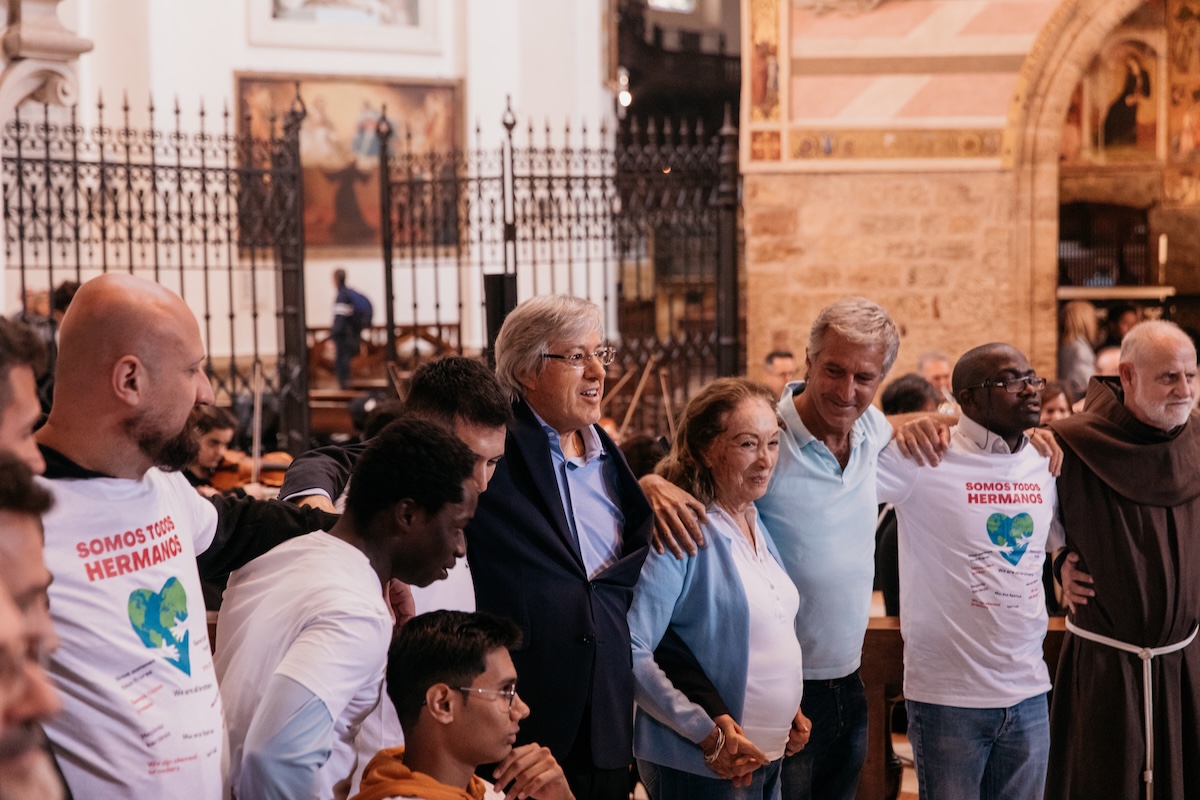 Alejandro Roemmers nos invita a “Un abrazo por la humanidad” desde el Planetario de Buenos Aires
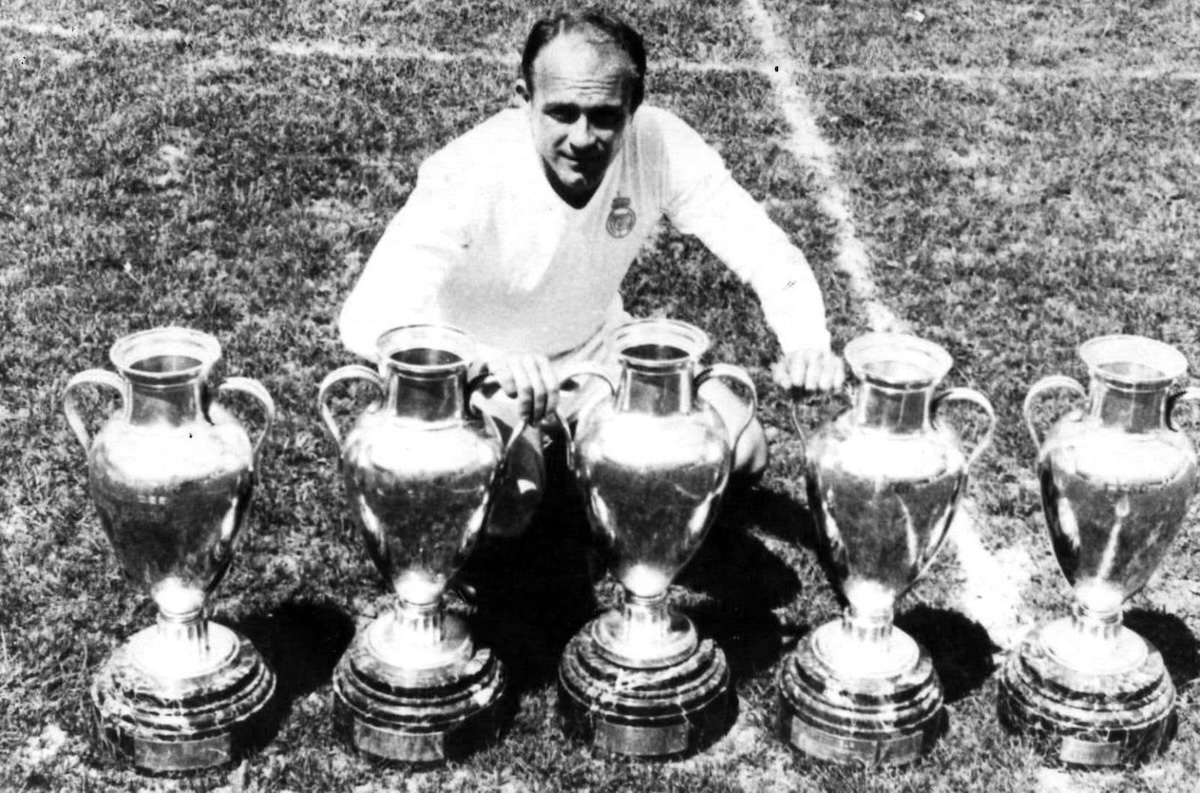 Buenos Aires homenajeó a Alfredo Di Stéfano a 100 años de su nacimiento y declaró Huésped de Honor a Emilio Butragueño
 El futuro del turismo se construye en equipo