Política
Chile y el retorno de Bachelet
Las elecciones presidenciales en Chile este próximo domingo no solo arrojan la certeza de un triunfo contundente de Michelle Bachelet. También aseguran una maduración de una sociedad lista para apoyar cambios históricos, como la reforma educativa y constitucional. Según todas las encuestas, el próximo domingo Michelle Bachelet se va a imponer con comodidad en las […]
 Las elecciones presidenciales en Chile este próximo domingo no solo arrojan la certeza de un triunfo contundente de Michelle Bachelet. También aseguran una maduración de una sociedad lista para apoyar cambios históricos, como la reforma educativa y constitucional.
Según todas las encuestas, el próximo domingo Michelle Bachelet se va a imponer con comodidad en las elecciones presidenciales de Chile.
A pesar de que en los últimos días de campaña se publicaron sondeos que mostraban una leve baja de la candidata de centro izquierda, la encuesta del Centro de Estudios Públicos, que por tamaño de muestra y metodología es el estudio de opinión con más prestigio en el país, mostró números que hablan de una gran consolidación de la intención de voto de Bachelet, llegando al 45% en la respuesta espontánea y superando el 50% con la proyección total de los votos. De darse este resultado, Bachelet se convertiría automáticamente en presidenta electa, sin necesidad de segunda vuelta.
The presidential elections in Chile this Sunday not only shed the certainty of a resounding victory of Michelle Bachelet. They also ensure a maturing of a society ready to support historical changes , such as education reform and constitutional .
According to all the polls , on Sunday Michelle Bachelet will prevail comfortably in Chile 's presidential election .
Although in the last days of the campaign were published polls showing a slight decrease of the center-left candidate , the survey by the Center for Public Studies , that sample size and methodology opinion study is the most prestigious in the country , showed numbers speak of a great consolidation of the voting intentions of Bachelet , reaching 45 % on the spontaneous and exceeding 50% with the total projection of the vote. From this result be , Bachelet would automatically become president-elect , without runoff.
Sin embargo, este dato no es el único que sobresale en el escenario electoral. La sociedad chilena parece enfrentada a una serie de cambios que vienen acumulándose desde tiempo atrás y que en esta coyuntura parecen haber encontrado un espacio político para representarse.
En primer lugar, la gran elección que probablemente haga Bachelet, vendrá acompañada de un desastre electoral para la coalición de derecha. Son muchos los que advierten que el próximo domingo, la alicaída candidatura oficialista de Evelyn Matthei podrá tener el peor desempeño de los últimos 20 años. En 1993 Arturo Alessandri apenas logró el 24,4% de los votos contra Eduardo Frei. Hay quien dice que esta vez podría no llegar ni al 20%.
Las razones para semejante debacle son varias. En primer lugar, el gobierno de Sebastián Piñera termina con una magra aprobación social, que puede rastrearse cuando las protestas educativas superaron el cerco de la comunidad universitaria y alcanzaron el respaldo de la mayoría de la población (hoy un 74% de los chilenos está a favor de la universidad gratuita).
Pero parece ocurrir algo más profundo: el sentido común conservador de una buena parte de la sociedad chilena que tan buena retaguardia le brindó al pinochetismo aún durante el período democrático entró en crisis terminal. Este año se cumplieron 40 años del golpe de estado y en un marco de extendido repudio a la figura de Pinochet, el discurso de Piñera no advirtió el cambio y continuó con la tradicional estigmatización al gobierno de Allende: “En mi humilde opinión también tienen responsabilidad quienes no respetaron el estado de derecho y promovieron la intolerancia y el odio en nuestro país”.
Mientras este discurso persiste en gran parte de la dirigencia conservadora, la sociedad civil transita otros caminos, más modernos. Además del apoyo a la gratuidad educativa, cobró fuerza la idea de reformar la Constitución, redactada en 1980 por la dictadura. La propia Bachelet anunció una reforma al texto constitucional. Aunque aún no queda claro su alcance, ni su forma, que dependerá en buena medida de cómo quede conformado el Congreso. A esto se suma un movimiento social que, desde las redes sociales, convoca a incluir en el voto del domingo la sigla “AC” (Asamblea Constituyente) y presionar así a la dirigencia política.
Otro elemento importante de la elección (que podría tener un impacto en el resultado) es un cambio en el sistema de votación. Por primera vez para elegir Presidente, el voto será optativo, y la inscripción en los padrones automática. Hasta ahora, era obligatorio, pero el votante tenía que inscribirse para figurar en las actas. Este cambio, que a priori eleva la cantidad de posibles votantes, necesita de un electorado que salga por decisión propia a ejercer su derecho. Los dirigentes de la derecha están temerosos de que su base social, desanimada ante la evidencia de una victoria de Bachelet, no vaya a votar y aumente el desastre electoral.
Un tanto paradójicamente, para contrarrestar este fenómeno, desde las tribunas conservadoras se escucha hablar de la necesidad de “acarrear votos” el día de la elección (es decir, hacer una logística con transporte y militantes para incentivar que los votantes lleguen a los centros de votación), en una suerte de punterismo electoral un tanto alejado del discurso tradicional de estos sectores.
Finalmente, aparece el cambio dentro de la centroizquierda. Después de más de dos décadas de Concertación, donde fungían como aliados principales y casi excluyentes el Partido Socialista y la Democracia Cristiana, Bachelet eligió conformar una nueva coalición. La Nueva Mayoría, contiene ahora al Partido Comunista y otras expresiones de izquierda. Lo notable es que esta incorporación, que no mucho tiempo atrás hubiera espantado a las franjas moderadas del electorado, en este caso reverdeció el discurso de oposición al gobierno de Piñera y le dio una plataforma diferenciadora. Sin ir más lejos, la reforma educativa, la reforma constitucional y la reforma electoral son tres banderas histórica del PC y que durante esta campaña formaron parte del discurso de Bachelet.
Como sanamente ocurre en los últimos años, el resultado electoral de un país sudamericano no se agota en su frontera y tendrá un impacto regional. La probable victoria de Bachelet y la coalición de centroizquierda en Chile vendrá a mostrar que el “fin de ciclo” de los gobiernos progresistas no parece estar a la vuelta de la esquina. Una lectura acentuada por el hecho de que Piñera había sido el experimento más sólido de un retorno a gobiernos “marketfrendly”, en un país que parecía reunir todas las condiciones para su éxito. Sólo duró un mandato.
Cruzando la cordillera, la agenda reformista de Bachelet tiene signos inocultables de un clima que la Argentina conoce desde hace años. Entre otras cosas, la futura presidenta prometió impulsar un sistema de pensión estatal, la negociación salarial a partir de convenios colectivos de los sindicatos, una mesa tripartita de gobierno, empresarios y trabajadores para fijar el salario mínimo y el matrimonio igualitario. Como frutilla del postre, anunció que “una ley determinará los límites de la concentración de la propiedad de los medios de comunicación social…”.
Por si fuera poco, para la oposición política argentina, más allá del previsible trabajo de apropiación que intentarán hacer con Michelle Bachelet, mostrándola como un antónimo de Cristina Kirchner, habrá una advertencia muy concreta: un liderazgo, si conserva el apoyo social, puede subsistir fuera del gobierno y retornar vigente en el próximo período electoral.
Télam
However, this figure is not the only one who stands in the electoral arena . Chilean society seems confronted with a series of changes that have been accumulating for some time and that at this juncture seem to have found political space to represent .First, the great choice that probably do Bachelet , will be accompanied by electoral disaster for the right-wing coalition . Many people warn that next Sunday , the flagging candidacy of Evelyn Matthei ruling may have the worst performance in the last 20 years. In 1993 Arturo Alessandri barely managed 24.4% of the vote against Eduardo Frei . Some say that this time may not arrive or 20% .
The reasons for such a debacle are several. First, the government of Sebastián Piñera ends with a meager social approval , which can be traced when educational protests exceeded the siege of the university community and achieved the support of the majority of the population (now 74% of Chileans is university for free) .
But something deeper seems to happen : common sense conservative much of Chilean society as good rearguard Pinochet gave him on even during the terminal crisis became democratic . This year marked the 40th anniversary of the coup and in a context of widespread repudiation of the figure of Pinochet , Piñera 's speech did not notice the change and continued with the traditional stigma the Allende government : " In my humble opinion also have responsibility who did not respect the rule of law and promoted intolerance and hatred in our country. "
While this message persists in much of the conservative leadership , civil society transits other roads, more modern . In addition to support free education , swelled the idea of reforming the Constitution , drafted in 1980 by the dictatorship. The very Bachelet announced a reform of the constitution. Although it remains unclear scope nor its shape, which depend largely on what remains consists Congress. To this is added a social movement , from social networks , calls for inclusion in Sunday's vote the letters " AC " ( Constituent Assembly ) and press and the political leadership .
Another important element of the election (which could have an impact on the result ) is a change in the voting system . For the first time to elect a President , the vote shall be optional, and enrollment in the auto standards . Until now , it was mandatory , but the voter had to sign up to be on the record. This change, which a priori increases the number of potential voters , the electorate needs to leave of their own accord to their right . Right leaders are fearful that their social base , discouraged at the evidence of a Bachelet victory , do not go to vote and increase the electoral disaster .
Somewhat paradoxically , to counteract this phenomenon , from the stands listening to conservative talk about the need to " bring votes " on the day of the election (ie , make a transportation logistics and activists to encourage voters to come to the centers vote) , in a sort of electoral punterismo somewhat removed from traditional discourse of these sectors.
Finally, there is the change in the center-left. After more than two decades of Concertación, which acted as principal and almost exclusive allies Socialist Party and the Christian Democrats chose Bachelet form a new coalition. The New Majority , now contains the Communist Party and other leftist expression . What is remarkable is that this incorporation , which not long ago would have scared away moderate fringes of the electorate, budded here 's speech opposing the government of Piñera and gave him a distinctive platform . Without going any further , educational reform , constitutional reform and electoral reform are three flags historical PC and that during this campaign were part Bachelet speech .
As happens healthily in recent years , the election results of a South American country does not end at its borders and will have a regional impact . The likely victory of Bachelet and center-left coalition in Chile come to show that the "end of cycle" progressive governments do not seem to be just around the corner. A reading accentuated by the fact that the experiment Piñera was stronger for a return to government " marketfrendly " in a country that seemed to meet all the conditions for its success. It only lasted one term.
Across the range, the reformist agenda unconcealed Bachelet has signs of a climate that Argentina known for years . Among other things , the future president pledged to boost state pension system , wage bargaining from union collective agreements , a tripartite government, employers and workers to set the minimum wage and equal marriage . As icing on the cake , announced that " the law shall determine the limits of concentration of ownership of media ... " .
To make matters worse , the political opposition to Argentina , beyond the expected work of appropriation that try to do with Michelle Bachelet , presenting it as an antonym of Cristina Kirchner , will be a very specific warning : leadership , if it preserves social support, can survive outside government and return in force in the upcoming elections .
Telam
Traduction by Google Translator
Temas Relacionados



El informe que leen +2.000 líderes
¿Qué esperás para ser el próximo? Cada 2 semanas, una cápsula con las noticias y el análisis más importante para quienes toman decisiones en países y corporaciones. Sin ruido.



Últimas noticias
 Fondos de Asistencia Laboral: ¿una nueva fuente de capital para el mercado argentino?
 AmCham Health Forum 2026: la salud como motor de un desarrollo federal
 Alejandro Roemmers nos invita a “Un abrazo por la humanidad” desde el Planetario de Buenos Aires
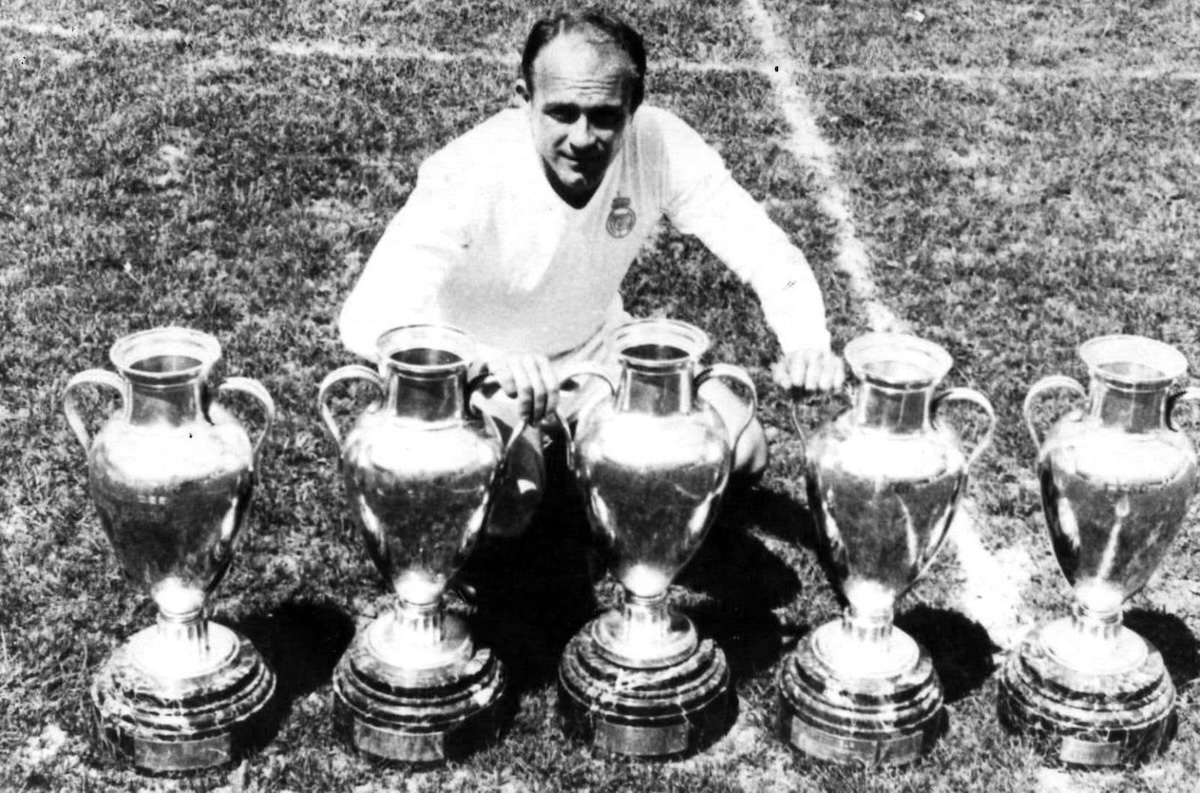 Buenos Aires homenajeó a Alfredo Di Stéfano a 100 años de su nacimiento y declaró Huésped de Honor a Emilio Butragueño
 El futuro del turismo se construye en equipo