News
Cristina pidió en la ONU revisar el funcionamiento del Consejo de Seguridad y que sus miembros acaten las resoluciones
La presidenta Cristina Fernández de Kirchner, en su carácter de titular pro tempore del Consejo de Seguridad del organismo multilateral, dirigió la reunión anual y también expuso la necesidad de replantear sus métodos porque estamos frente a un nuevo mundo. “Frente a una nueva realidad, y nuevos problemas”, advirtió, las crisis se están abordando “con […]
 La presidenta Cristina Fernández de Kirchner, en su carácter de titular pro tempore del Consejo de Seguridad del organismo multilateral, dirigió la reunión anual y también expuso la necesidad de replantear sus métodos porque estamos frente a un nuevo mundo.
“Frente a una nueva realidad, y nuevos problemas”, advirtió, las crisis se están abordando “con viejos instrumentos y viejos métodos”dijo, y remarcó en ese sentido el caso del derecho a veto, que poseen algunos países que luego, haciendo uso de él, “son los que obturan la verdadera solución de los conflictos”. Cristina, en su discurso, sostuvo que los problemas que afrontan países miembros de la ONU “nos exigen repensar cómo deben funcionar los organismos, cómo cambiar las reglas, imaginar y diseñar nuevos instrumentos que nos permitan ser eficaces”.
President Cristina Fernandez de Kirchner, in his capacity as owner pro tempore of the Security Council of the multilateral organization, addressed the annual meeting and also discussed the need to rethink their methods because we are facing a new world.
"Faced with a new situation and new problems," he said, crises are being addressed "with old instruments and old methods" he said, and stressed in this regard the case of a veto, that some countries have then, using him, "are those who clog the true solution of conflicts". Cristina, in his speech, said that the problems faced by UN member countries "require us to rethink how organizations should function, how to change the rules, imagine and design new tools that allow us to be effective."
La eficacia del Consejo de Seguridad, opinó la Presidenta, debe apuntar a “solucionar una mediación, sobre todo cuando ha sido objeto de una resolución”, pero puso como ejemplo la obsolescencia de algunos métodos con el caso de la Argentina y su conflicto con Gran Bretaña por la soberanía de las Islas Malvinas. “Cuando de una asamblea general emana una resolución, no estamos ante opiniones discordantes, sino que estamos ante una resolución de la ONU y ante quienes estamos dispuestos a cumplirla o no”, afirmó, y señaló que ello no se cumple, por ejemplo, en el caso de Gran Bretaña respecto de las Islas Malvinas. “Esto –insistió- lo tomo como ejemplo, no quiero introducir una polémica”.
La Presidenta inició su discurso destacando el “marco regional inédito” de la reunión de hoy, con la presencia de 14 cancilleres, 12 de ellos latinoamericanos incluyendo a la CELAC presidida por Cuba. “Creo que la elección que hemos hecho de cómo colaborar los organismos regionales y subregionales con este Consejo de Seguridad para encontrar métodos de solución tienen que ver con algunos dilemas señalados por otros representates” en la reunión, dijo.
Mencionó que hoy “plantearon los países árabes a todos los estados miembros de las Naciones Unidas que den complimiento a las resoluciones de la ONU y parece casi una obviedad , pero el rasgo distintivo que muchas veces tienen quienes se sientan en el ámbito y son miembros permanentes con derecho a veto es que son los que utilizan esta facultad que les otorga la carta de ONU pero también son los que obturan la verdadera resolución de los conflictos”. “En la que voy a llamar la doctrina de la América del Sur, las resoluciones se toman por unanimidad cuando hay conflictividad”, explicó la Jefa del Estado argentino. Marcó la diferencia entre el derecho a veto con el que cuenta cada mandatario hacia el interior de su Estado porque “una cosa es la gestión de gobierno y otra la gestión de conflicto, cuando en la gestión de conflicto aparece derecho de veto la solución aparece mucho difícil e imposible
Entonces indicó que “sería necesario revisar el funcionamiento de las instituciones en general de la ONU y a partir del Consejo de Seguridad para que respondan a una lógica diferente”. “Cuando hablamos de la necesidad de elaborar consensos, es necesario que no se basen en los intereses particulares de cada Estado, sino en el la búsqueda de la paz”, indicó la Presidenta argentina. Aseguró que “Latinoamérica es una región de paz”, pero que está viviendo cierto grado de “conflictividad” porque el Reino Unido no cumple con las resoluciones de las Naciones Unidas que marcan la necesidad de iniciar negociaciones con la Argentina en cuanto a la soberanía de las islas Malvinas.
“Allí no hay opiniones discordantes sobre algo que no esta resulto por la ONU, porque cuando este organismo emana una resolución ya no estamos ante opiniones discordante, sino que estamos ante una resolución a lo que estamos dispuestos a responder o no”, dijo la Presidenta. “El tema Malvinas no es una postura caprichosa, lo que queremos es que se cumplan las disposiciones de las Naciones Unidas y ambos países nos pongamos a conversar; creo que es una cuestión que ONU a resuelto y todos hemos acatado”, remarcó.
También afirmó la necesidad de “establecer regulaciones de carácter global para asegurar la soberanía de los estados y la privacidad de los ciudadanos en el mundo ante hechos de público conocimiento”, como los recientes casos de espionaje internacional. Tras dar los ejemplos de la forma en que la UNASUR y el Mercosur lograron resolver con posturas unánimes conflictos en la región, señaló que le gustaría introducir sus métodos de debate como una forma de cooperar con la ONU “para asegurar un mundo con más paz y seguridad” que destacó, “no son conceptos militares”. “Los que que creen que esos valores se aseguran sólo con las armas”, opinó, no están en lo cierto pues la Historia demostró que “lo que realmente construye sociedades y estabilidades son los valores e ideales por los cuales una sociedad y millones de compatriotas globales están dispuestos a dar su vida”,
La Presidenta destacó la actuación de la UNASUR en la defensa de las democracias en la región porque, sostuvo,"no es una cuestión menor porque han marcado la posibilidad de crecer económicamente en paz y seguridad". La presidenta Cristina Fernández de Kirchner encabezó la apertura del debate en el Consejo de Seguridad de Naciones Unidas, que la Argentina preside durante este mes, hasta septiembre. De la deliberación, que girarán en torno a la cooperación entre la ONU y organismos regionales y subregionales, participan además el canciller Héctor Timerman y otros catorce ministros de Relaciones Exteriores. “El debate abierto seguirá considerando el rol de las organismos regionales y subregionales, explorando acciones para fortalecer las relaciones bilaterales entre las Naciones Unidas y estas asociaciones", señaló la mandataria al hablar en la apertura del debate abierto del Consejo de Seguridad en la sede de las Naciones Unidas.
Luego, la Jefa de Estado en su carácter de titular del Consejo de Seguridad de Naciones Unidas cedió el uso de la palabra al secretario General de la Naciones Unidas, Ban Ki-moon "La organizaciones regionales y subregionales poseen profundos conocimientos y visiones únicas que sirven para mantener la paz” dijo el diplomático y añadió que “las Naciones Unidas aportan la universalidad de los miembros y sus capacidad internacional en el mantenimiento de la paz y las buenas relaciones” Ban Ki- moon aseguró que “estamos aprovechando nuestras fortalezas colectivas para generar planes de trabajo que orienten a nuestras cooperaciones cotidianas. Los despliegues de mediación en conjunto nos permitió llegar a un objetivo común y presentar un frente unido”
“Hemos mejorado en el intercambio de información, pero tenemos que aprender en nuestras experiencias de colaboración para ampliarla a fin de mantener y profundizar la paz”, concluyó. Luego de su exposición, la Presidenta invitó a los representantes a participar de un almuerzo tras lo cual para realizar un cuarto intermedio y luego continuarán las deliberaciones con treinta oradores anotados.
Prensa ArgentinaThe effectiveness of the Security Council, said the President, should aim to "solve a mediation, especially when it has been the subject of a resolution" but pointed to the obsolescence of some methods in the case of Argentina and its conflict with Great Britain over the sovereignty of the Falkland Islands. "When a general assembly resolution emanates not a case of differing views, but we have a UN resolution and to whom we engage in it or not," he said, noting that this is not met, for example, in the case of Great Britain over the Falkland Islands. "This she insisted I take as an example, I want to introduce a controversial".The President began his speech highlighting the "unprecedented regional framework" of today's meeting, attended by 14 foreign ministers, including 12 Latin American including CELAC chaired by Cuba. "I think the choice we made to how collaborate with regional and subregional organizations the Security Council to find solution methods have to do with some dilemmas raised by other representatives" in the meeting said.
He said that today "Arab countries raised all member states of the United Nations to give complimiento to UN resolutions and it seems almost obvious, but the distinctive feature that often have people who sit in the field and are permanent members with veto power is that they are using this power to them by the UN charter but also those who clog the true resolution of conflicts ". "In what I will call the doctrine of South America, the resolutions are taken unanimously when there is conflict," said the Head of State of Argentina. It marked the difference between the right to veto that bill each agent towards the inside of your state because "one thing is the other governance and conflict management when in conflict management appears veto the solution appears much difficult and impossible
Then said "it would be necessary to review the functioning of institutions in general and from the UN Security Council to respond to a different logic." "When we talk about the need for consensus, it must not be based on the interests of each state, but in the search for peace," the President of Argentina. He said that "Latin America is a region of peace", but who is living a certain degree of "conflict" because the UK does not comply with United Nations resolutions that make the need to start negotiations with Argentina concerning the sovereignty of the Falkland Islands.
"There's no differing views on something that is not turned by the UN, because when this body exudes a resolution and we are not facing discordant opinions, but we have a resolution to what we are willing to answer or not," said President . "The issue is not a position Malvinas capricious, what we want is that compliance with the provisions of the United Nations and both countries to talk like us, I think is a UN issue resolved and all have complied," he said.
He also stated the need to "establish global regulations to ensure state sovereignty and privacy of citizens in the world to publicly known facts," as the recent cases of international espionage. After giving examples of how the UNASUR and Mercosur accord to resolve conflicts with positions in the region, said he would like to introduce their methods of discussion as a way to cooperate with the UN "to secure a more peaceful world and security "stressed," are not military concepts ". "Those who believe that these values are secured only with the weapons," he said, not right because history showed that "what really builds partnerships and stabilities are the values and ideals by which a society and millions of compatriots Global willing to give his life "
The President highlighted the performance of UNASUR in the defense of democracy in the region because, he said, "is not a minor issue because the possibility of marked economic growth in peace and security." President Cristina Fernandez de Kirchner led the opening of the debate in the Security Council of the UN, the presiding Argentina this month, until September. From the discussion, which will focus on cooperation between the UN and regional and subregional organizations, also participate Foreign Minister Hector Timerman and fourteen other foreign ministers. "Open debate will continue to consider the role of regional and subregional organizations, exploring actions to strengthen bilateral relations between the United Nations and these associations," the president said speaking at the opening of the open debate of the Security Council at the headquarters of United Nations.
Then the Head of State as holder of the Security Council of United Nations ceded the floor to the Secretary General of the United Nations, Ban Ki-moon "The regional and subregional organizations have deep knowledge and unique insights that serve to maintain peace," said the diplomat, adding that "the United Nations brings the universality of the members and their ability in maintaining international peace and good relations" Ban Ki-moon said that "we are leveraging our collective strengths to create work plans that guide our daily cooperation. Mediation deployments together allowed us to reach a common goal and present a united front "
"We have improved the exchange of information, but we have to learn on our experiences of collaboration to expand in order to maintain and strengthen peace," he said. After his presentation, the President invited representatives to attend a lunch after which to make a recess and then continue discussions with thirty speakers noted.
Press Argentina
Temas Relacionados



El informe que leen +2.000 líderes
¿Qué esperás para ser el próximo? Cada 2 semanas, una cápsula con las noticias y el análisis más importante para quienes toman decisiones en países y corporaciones. Sin ruido.


Últimas noticias
 Fondos de Asistencia Laboral: ¿una nueva fuente de capital para el mercado argentino?
 AmCham Health Forum 2026: la salud como motor de un desarrollo federal
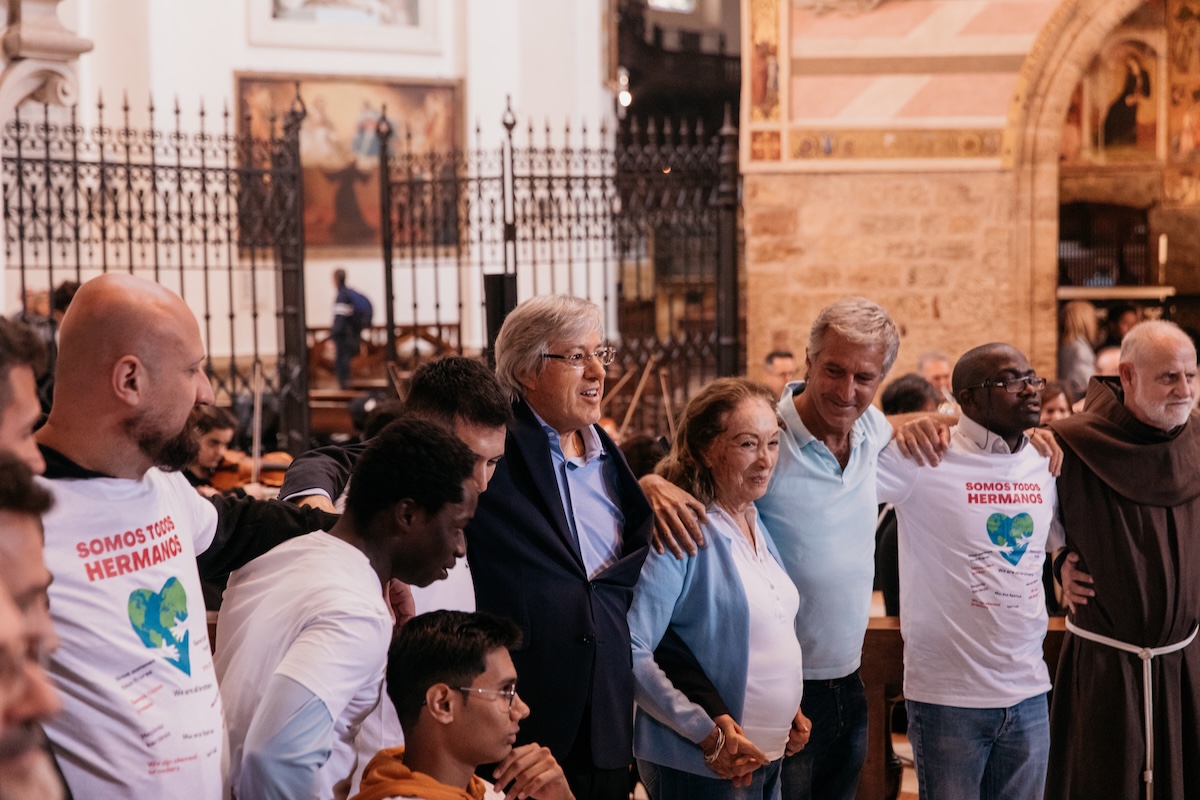 Alejandro Roemmers nos invita a “Un abrazo por la humanidad” desde el Planetario de Buenos Aires
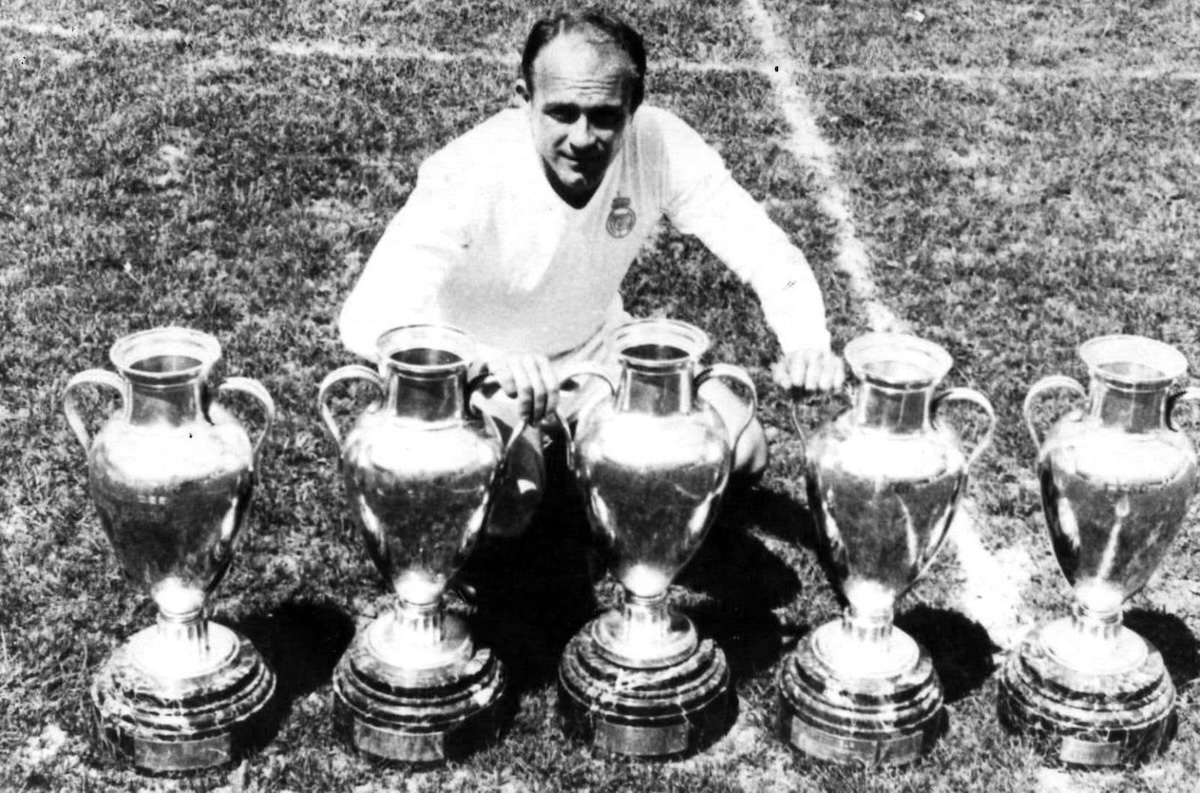 Buenos Aires homenajeó a Alfredo Di Stéfano a 100 años de su nacimiento y declaró Huésped de Honor a Emilio Butragueño
 El futuro del turismo se construye en equipo